Mexico transforms into a mesmerizing canvas of color, candlelight, and celebration every autumn. Far beyond the resort coastlines and ancient ruins that typically draw visitors, a deeply profound cultural experience awaits those who travel during late October and early November.
Navigating cobblestone streets scented with sweet bread and overflowing with vibrant marigolds reveals a destination intimately connected with its heritage. This guide explores the essential elements of Día de los Muertos, offering the insights needed to respectfully witness and experience one of the world's most moving cultural events.
The Heart of the Holiday
Día de los Muertos, or Day of the Dead, is a profound and vibrant Mexican holiday dedicated to remembering and honoring deceased loved ones. Rooted in ancient indigenous Aztec beliefs and later blended with Catholic traditions, this celebration is not a somber occasion of mourning, nor is it a Mexican version of Halloween.
Instead, it is a joyous and colorful reunion where the spirits of the departed are believed to briefly return to the earthly realm to celebrate with their families.
Symbols and Traditions
Central to the festivities are the ofrendas (altars), meticulously constructed in homes, businesses, and public spaces to welcome visiting spirits. These multi-tiered displays are adorned with photographs of the deceased, glowing candles, and their favorite foods and beverages. Vibrant orange cempasúchil (marigolds) are scattered abundantly, their bright color and strong scent serving as pathways to guide souls home.
The iconic calaveras (artisan sugar skulls) and pan de muerto (a sweet, orange-blossom-scented bread baked with bone-shaped decorations) serve as essential offerings that reflect the beautiful, cyclical nature of life and death.
Top Destinations in Mexico for Día de los Muertos
While the holiday is observed nationwide, certain regions offer particularly immersive experiences for travelers:
- Oaxaca: Renowned for its lively comparsas (street parades), stunning sand tapestries, and deeply traditional cemetery vigils.
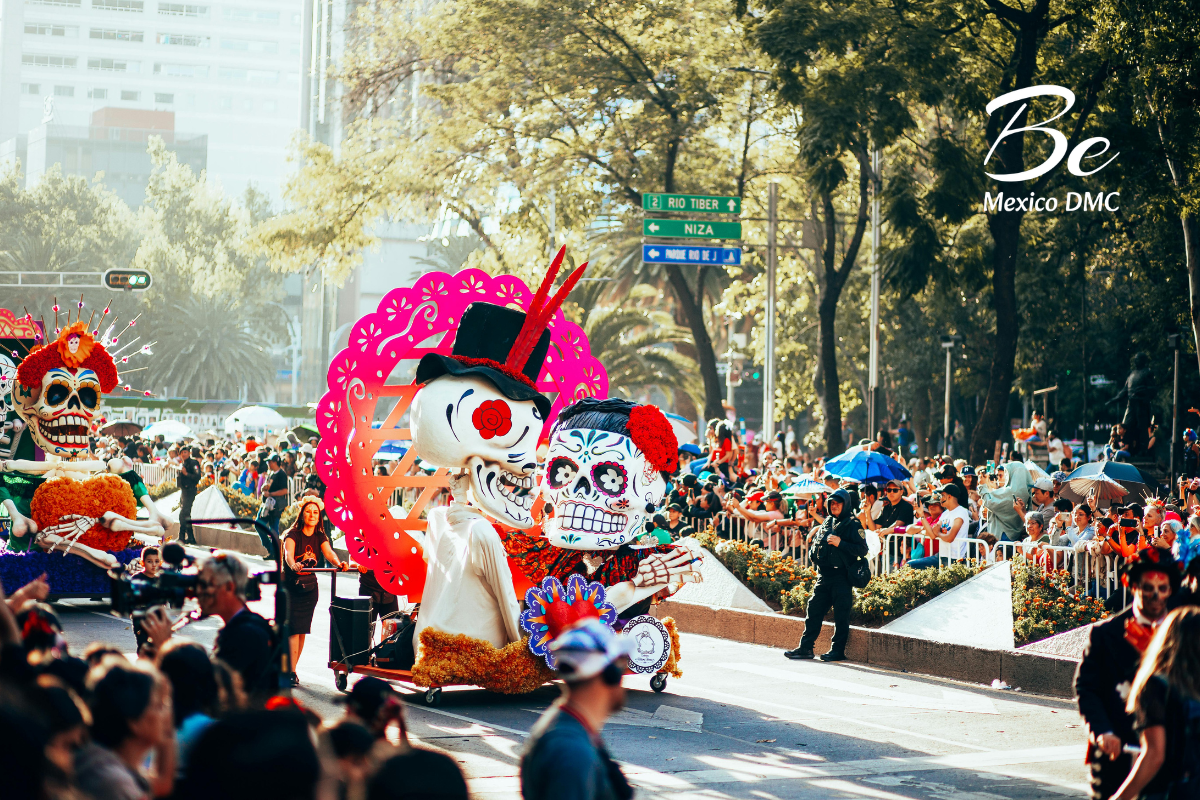
- Mexico City: Hosts a magnificent, large-scale parade featuring monumental floats, marching bands, and thousands of intricately painted catrinas, alongside massive public altars in the Zócalo.
- Michoacán (Janitzio): Offers a deeply spiritual atmosphere, characterized by a spectacular nighttime vigil where thousands of candles illuminate the lake and the island's terraced cemetery.
Essential Tips for Travelers
The core celebrations occur on November 1st (honoring children) and November 2nd (honoring adults), though preparations and local festivals often begin in late October. Because these destinations draw immense domestic and international crowds, securing accommodations and transportation months in advance is essential.
Above all, visitors must approach the holiday with profound respect. While the public parades and street fairs are incredibly festive and welcoming, the cemetery vigils and private ofrendas are intimate, emotional spaces for families. Photography and loud disruptions in these solemn areas should always be avoided unless explicitly welcomed by locals.